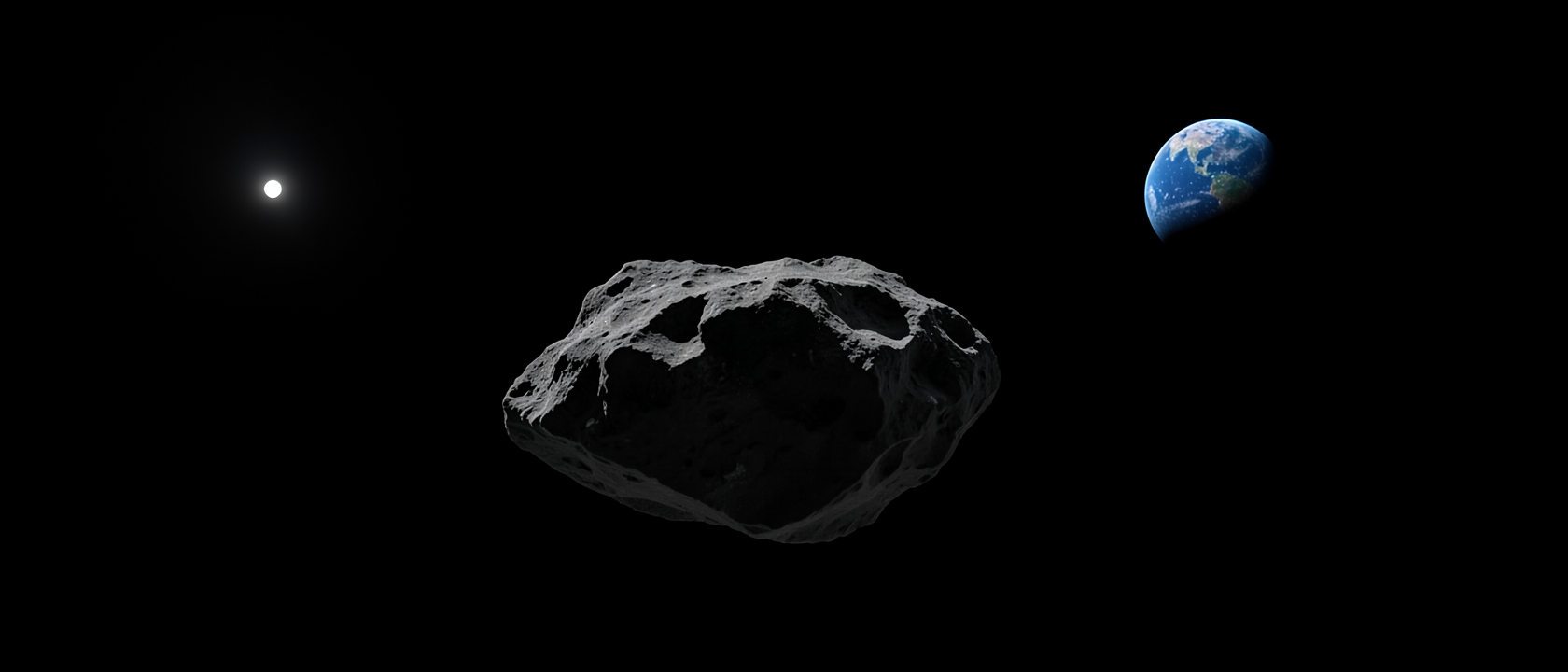
Asteroid 2018 SP2’s Pass: 5.01 Moon-Distances, Never Closer

A Rock That Kept Five Moon-Widths of Distance the Whole Way By On September 30, 2026, at 20:54 UTC, asteroid 2018 SP2 made its closest approach to Earth, and never came closer than 1,197,443 miles (1,927,097 km). That’s 0.01288 astronomical units (an astronomical unit is the average Earth-Sun distance, about 149,597,870 km), or 5.01 lunar … Read more

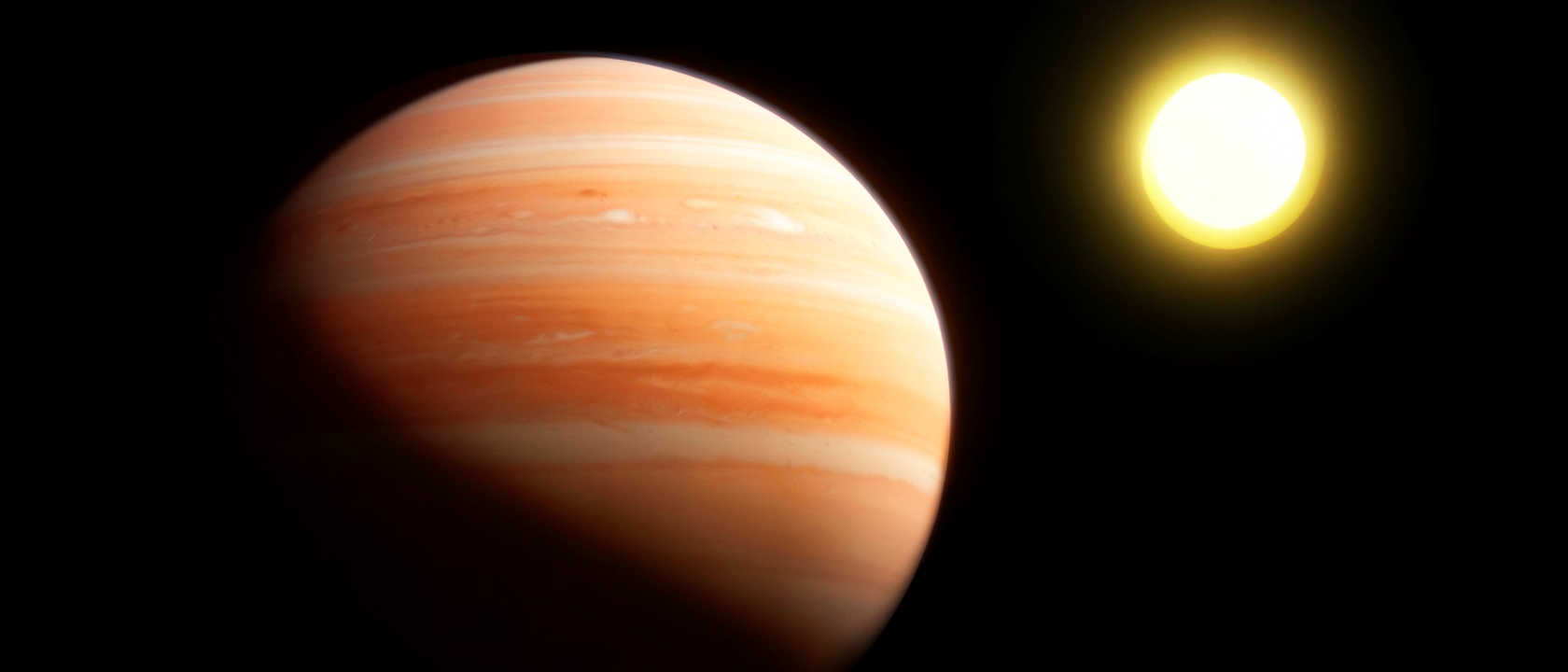
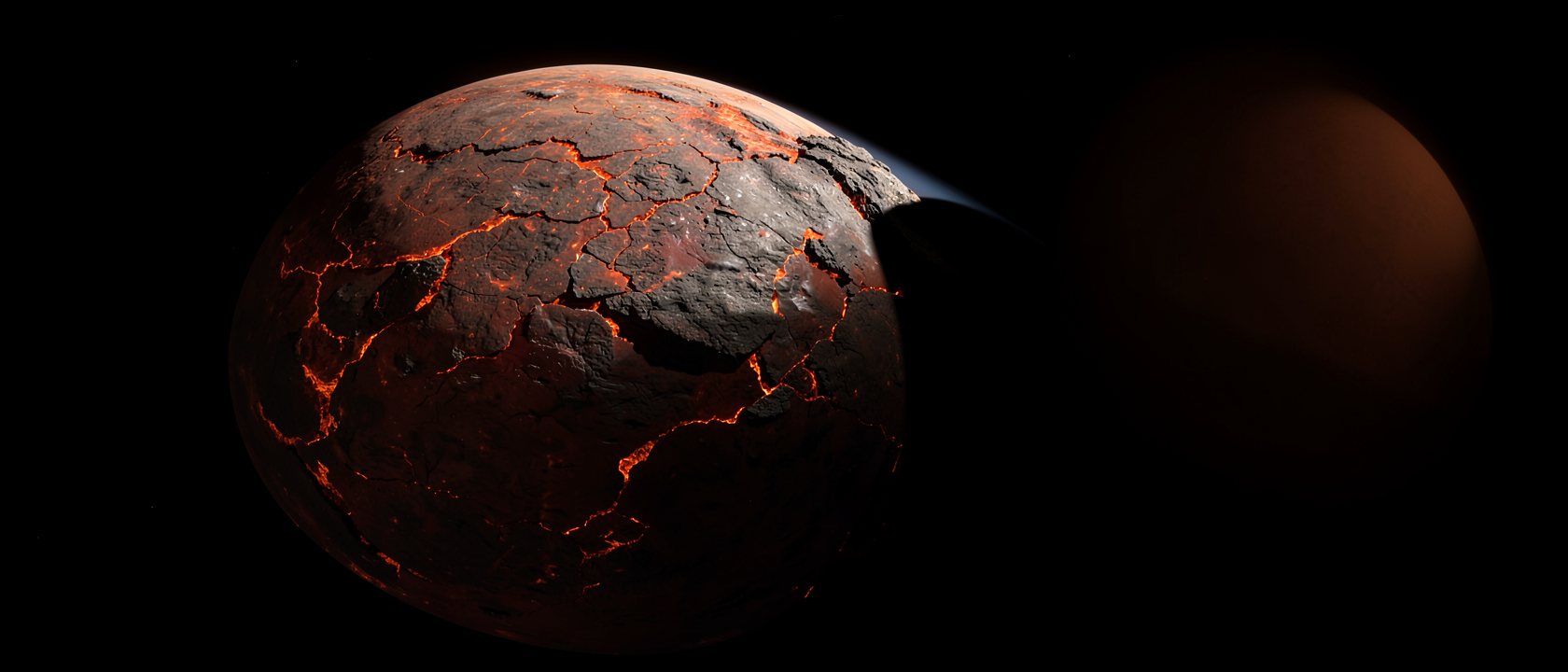
TOI-6255 b completes a full year in just 5.72 hours

A Whole Planetary Year Fits Inside One Long-Haul Flight A whole planetary year, start to finish, fits inside a single long-haul flight. TOI-6255 b, an Earth-sized world found in 2024, closes one full lap of its star in 20,578.96 seconds. Divide that by 3,600 and the orbit comes out to 5.72 hours. Board a flight … Read more

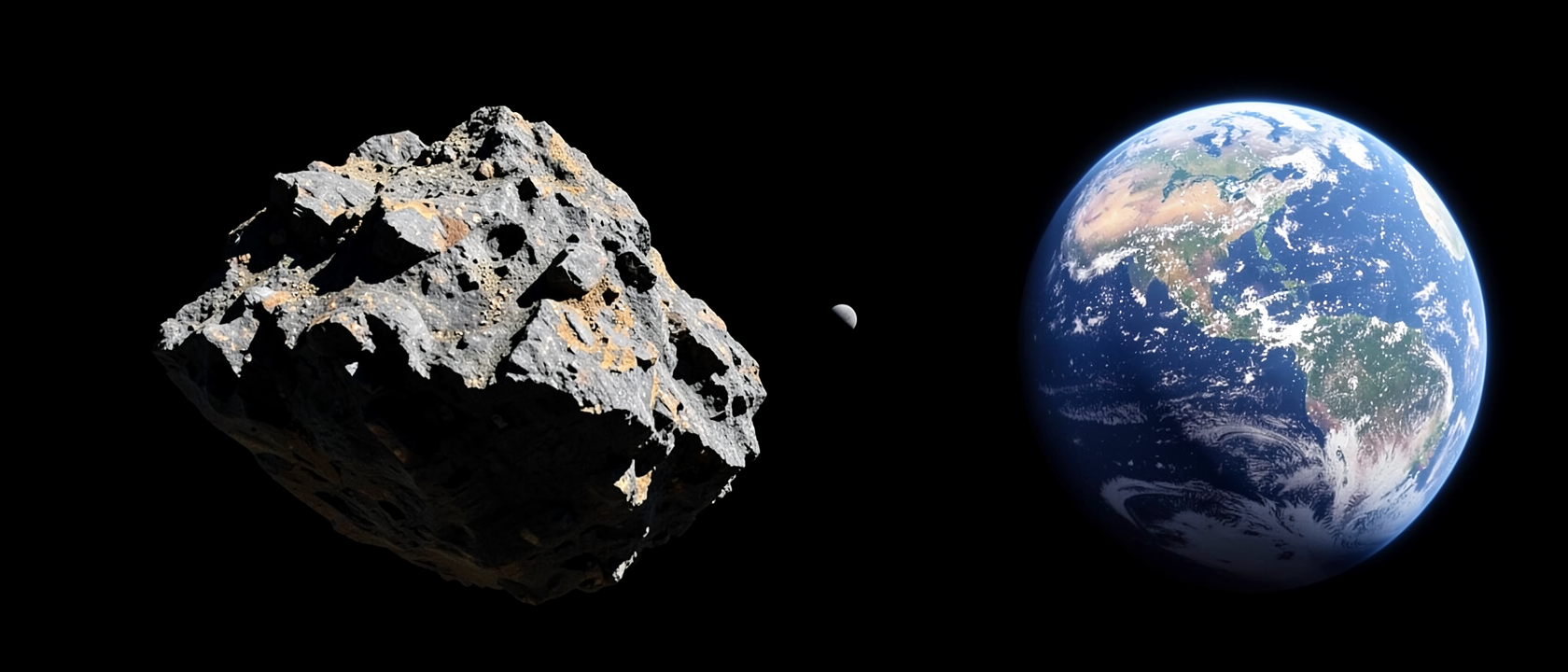
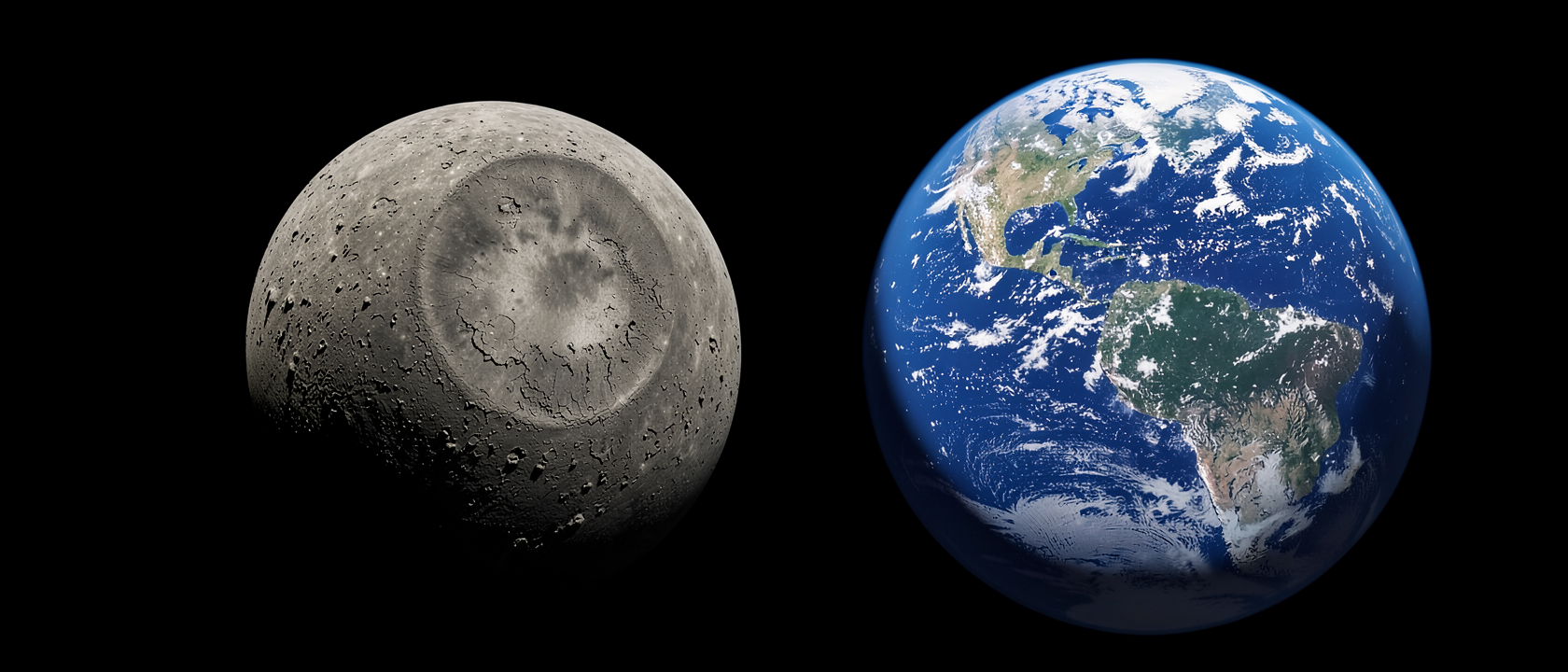
It takes 18 Mercurys to outweigh one Earth

Put eighteen Mercurys on one side of a scale and a single Earth on the other, and the two sides balance. Eighteen isn’t a number you’d guess by eye, Mercury looks like a modest, cratered little planet in any photograph, nothing about its size hints at how light it actually is. That gap only shows … Read more

ZTF J1230-2655 b completes a year in just 5.7 hours

A Year That’s Over Before Your Shift Ends Picture a year that starts right after you clock in and wraps up before you clock out. One complete lap around its star takes this planet only 20,388.46 seconds, five hours and forty minutes, start to finish. Spend an ordinary afternoon running errands and you could, in … Read more

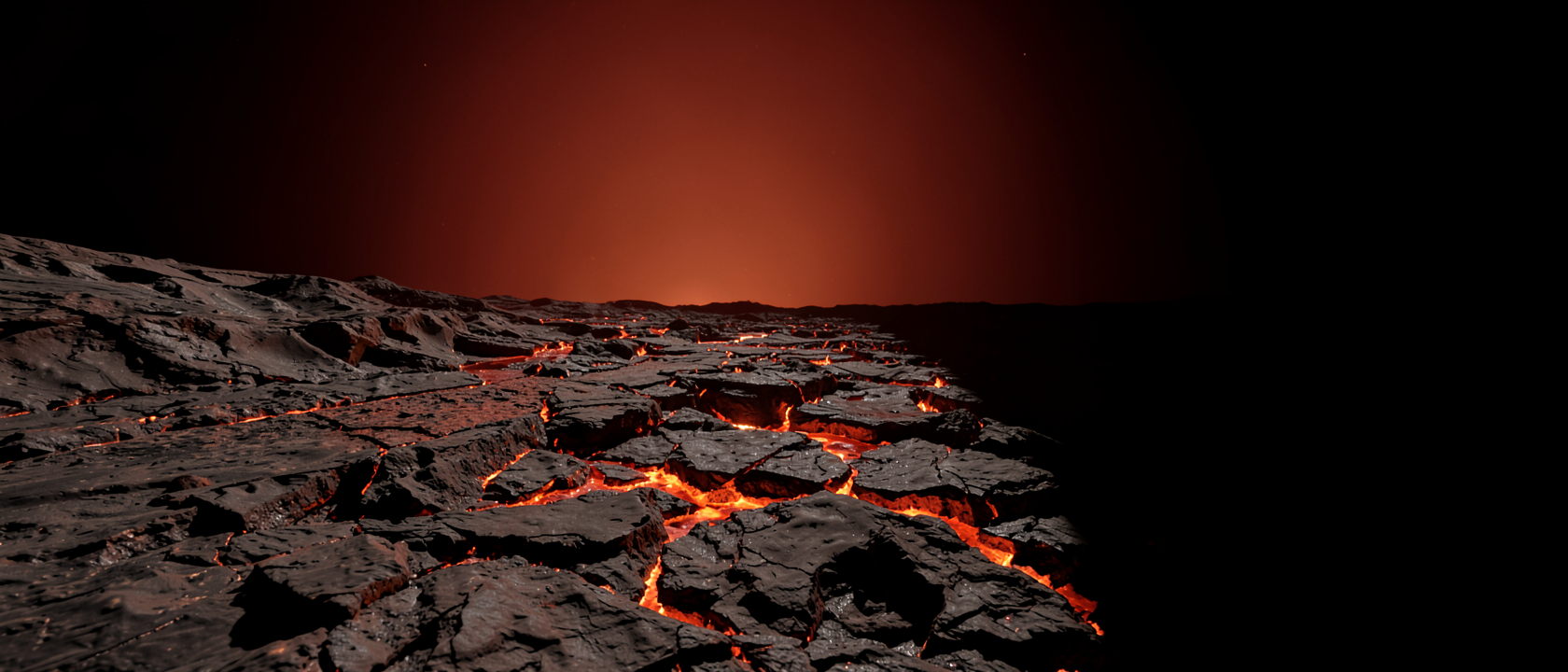
K2-137 b completes a full year in just 4.3 hours

A World Where the Whole Year Happens Before Lunch Clock in for a day shift, and by early afternoon a planet on the other side of the galaxy has already run through an entire year, not a season, the whole cycle, start to finish, in roughly four hours. Earth’s orbit around the Sun takes 365.25 … Read more